


SoftGym guides
Vibration plate safety: who should ask a doctor first
· 9 min read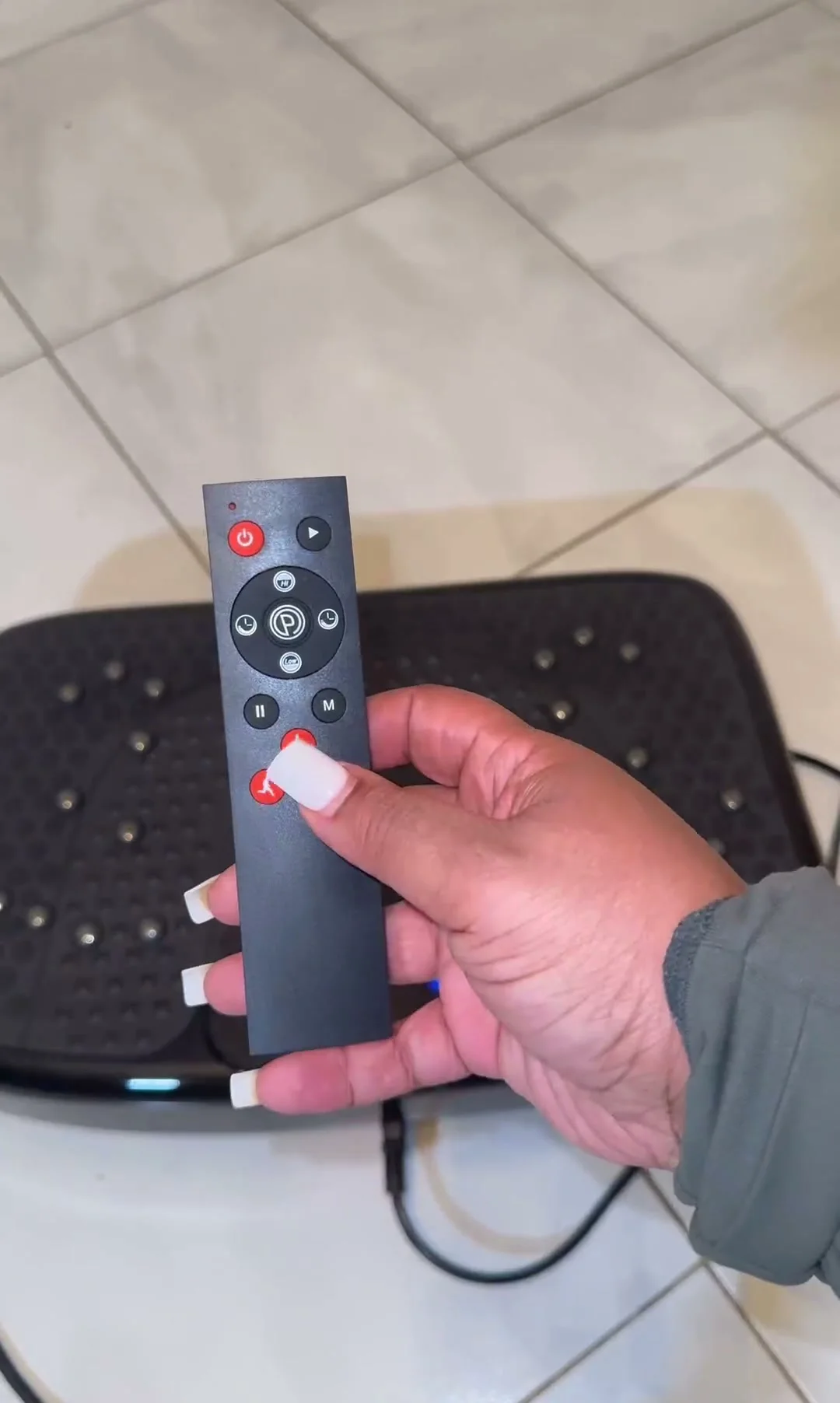
A vibration plate is exercise equipment, and like any exercise it suits some bodies better than others. Medical centers and researchers name the same groups again and again: people who should skip a plate or talk to a doctor first. The rest comes down to a safe corner at home, short sessions and knowing when to step off.
Who should skip it or ask a doctor first
OhioHealth, a hospital system in Ohio, opens its list plainly: you may want to skip vibration plates or talk to your doctor if any of the conditions on its list apply to you. Baylor Scott & White Health in Texas names four cases for a talk with a doctor first. They are pregnancy, a pacemaker, a history of blood clots and a neurological condition such as epilepsy. The American Council on Exercise (ACE) goes further and says that pregnant women and anyone with a history of tumors, thrombosis or seizures should avoid whole-body vibration training.
Researchers write the same list in clinical language. A 2022 trial in the Turkish Journal of Physical Medicine and Rehabilitation sums up where vibration exercise is not recommended. Its list includes pregnancy, acute thrombosis, epilepsy, a pacemaker, recent surgery, migraine, arrhythmia, severe cardiovascular disease and cancer.
| Condition | Named by |
|---|---|
| Pregnancy | OhioHealth, Baylor Scott & White, ACE, the 2022 trial |
| A pacemaker or another implanted device | OhioHealth, Baylor Scott & White (pacemaker), ACE (electronic implants), the 2022 trial (pacemaker) |
| Recent surgery or a recent fracture | OhioHealth, the 2022 trial (recent surgery) |
| Blood clots or thrombosis | OhioHealth (a blood clotting disorder), Baylor Scott & White (history of blood clots), ACE, the 2022 trial (acute thrombosis) |
| Epilepsy or other seizure disorders | OhioHealth, Baylor Scott & White, ACE, the 2022 trial |
| Heart conditions and high blood pressure | OhioHealth (high blood pressure, a history of heart attack or stroke), the 2022 trial (arrhythmia, severe cardiovascular disease) |
| Severe osteoporosis | OhioHealth |
| A history of migraines | OhioHealth, the 2022 trial |
| Vertigo | OhioHealth |
| An active infection | OhioHealth |
| Tumors or cancer | ACE (a history of tumors), the 2022 trial (cancer) |
If you see yourself in any row, take the list to your next appointment before your first session. A doctor who knows your history can tell you whether a plate fits at all, at which speed, and for how long.
Pacemakers and other implants
Implants come up in all four of these lists, and ACE gives the reason in one sentence.
The vibrations may affect pacemakers and other electronic implants.
American Council on Exercise
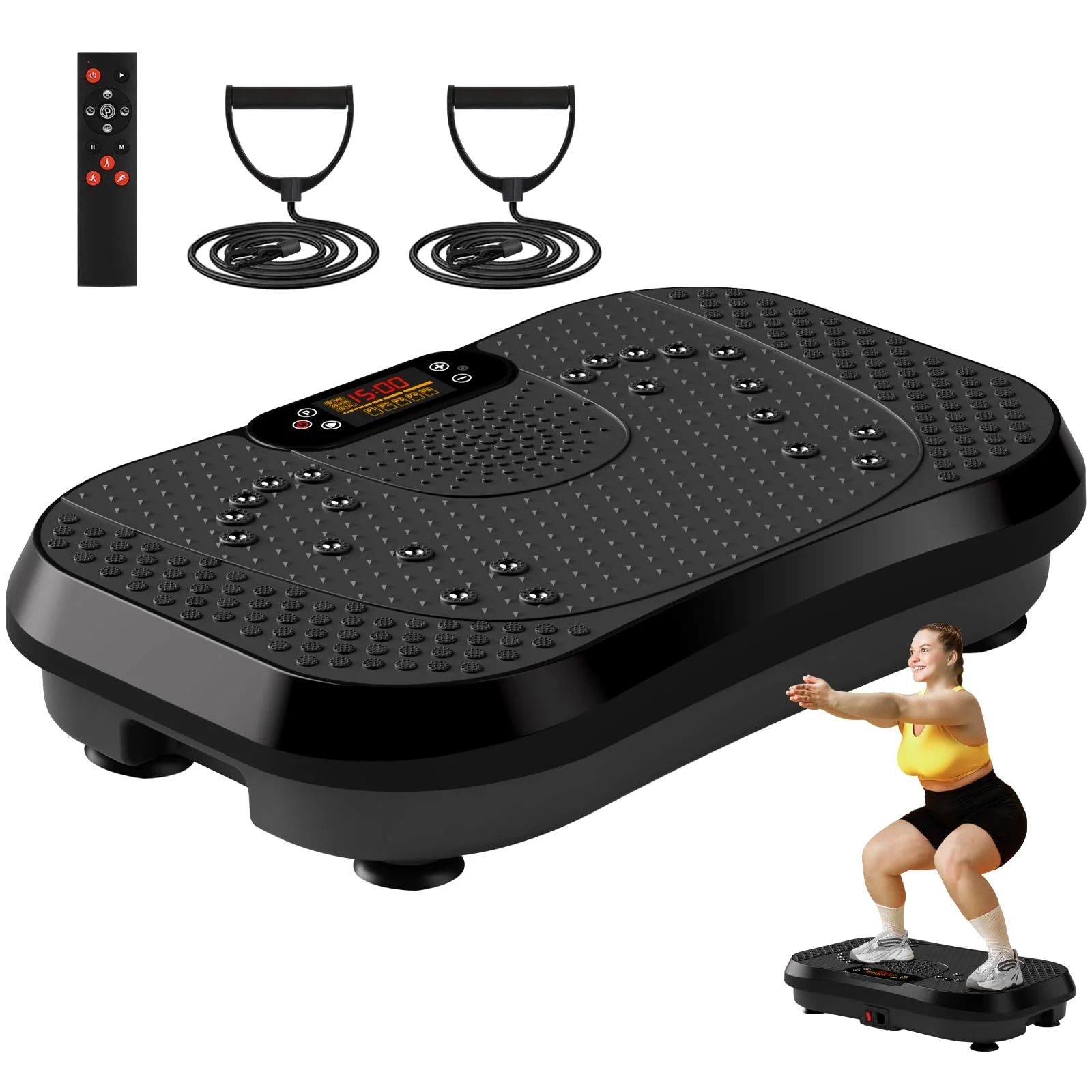
OhioHealth widens the group to a pacemaker or another implanted device, and the 2022 trial names an intrauterine device next to the pacemaker. None of these sources gives a speed or a session length that is safe with an implant. That question belongs to the doctor or clinic that looks after the device. Bring the make and model of the implant to the visit, along with the facts of our plate: a vibrating deck, 120 speed levels and a timer from 1 to 15 minutes.
Side effects people report
The first thing to know about is a feeling in your legs. Baylor Scott & White describes a lingering buzzing, tingling or sometimes itchy sensation in the legs during and after stepping off the plate, and calls it usually harmless and short-lived. If it fades within minutes, nothing needs to change. When it stays, the next session can be shorter or slower.
Other reports deserve more attention. The 2022 trial collects the side effects found in earlier studies of vibration exercise:
- itching in the legs and plantar fasciitis, the heel pain that comes from the band of tissue under the foot
- blurred vision, tinnitus, a feeling of fullness in the ear and headache
- dizziness and orthostatic hypotension, the drop in blood pressure some people feel when they stand up
- Raynaud's syndrome, and a flare of existing soft tissue or joint injuries
Dizziness, blurred vision, ringing in your ears or a headache are reasons to stop for the day rather than to push through. Joint pain that returns after each session is a reason to call a doctor.
Dose: why sessions stay short
Nobody has agreed on a standard dose of vibration. A 2018 systematic review in PLoS ONE looked at 18 studies of vibration training in people with obesity and found that protocols are still not standardized. Measured against the ISO 2631-1 standard for vibration exposure, the daily dose was rated unsafe in 7 of the 18 studies. The authors reported isolated cases of adverse effects and asked for longer, larger studies to show both safety and benefit. Separately, the 2022 trial notes that the International Organization for Standardization has set vibration limits for comfort, performance and safety.
Research platforms and ours are different machines, and none of the studies tested ours, so the safe course is the short one. Baylor Scott & White advises low intensity and sessions of 5 to 10 minutes at the start. The studies in the 2018 review used bouts of 30 to 60 seconds, about three sessions a week. On our plate that means the Easy zone, speeds 1 to 30, with the timer set to 5 minutes for the first week.

A short session still counts. The federal Office of Disease Prevention and Health Promotion (ODPHP) puts move more and sit less at the top of its guidance for adults. It also says any amount of physical activity has some health benefits. Its weekly targets are 150 to 300 minutes of moderate aerobic activity plus muscle-strengthening work on at least 2 days. Walks and strength work meet them, with the plate as a small part of the mix.
Adults only, and a safe corner at home
OhioHealth is short on this point: vibration plates are for adults only. Children like buttons and moving things, so treat the plate like any other powered machine in the house. Switch it off at the plate when you finish, keep the remote somewhere small hands do not reach, and slide the plate under the bed or the sofa between sessions. Pets get the same rule: keep them out of the room while the deck is running.
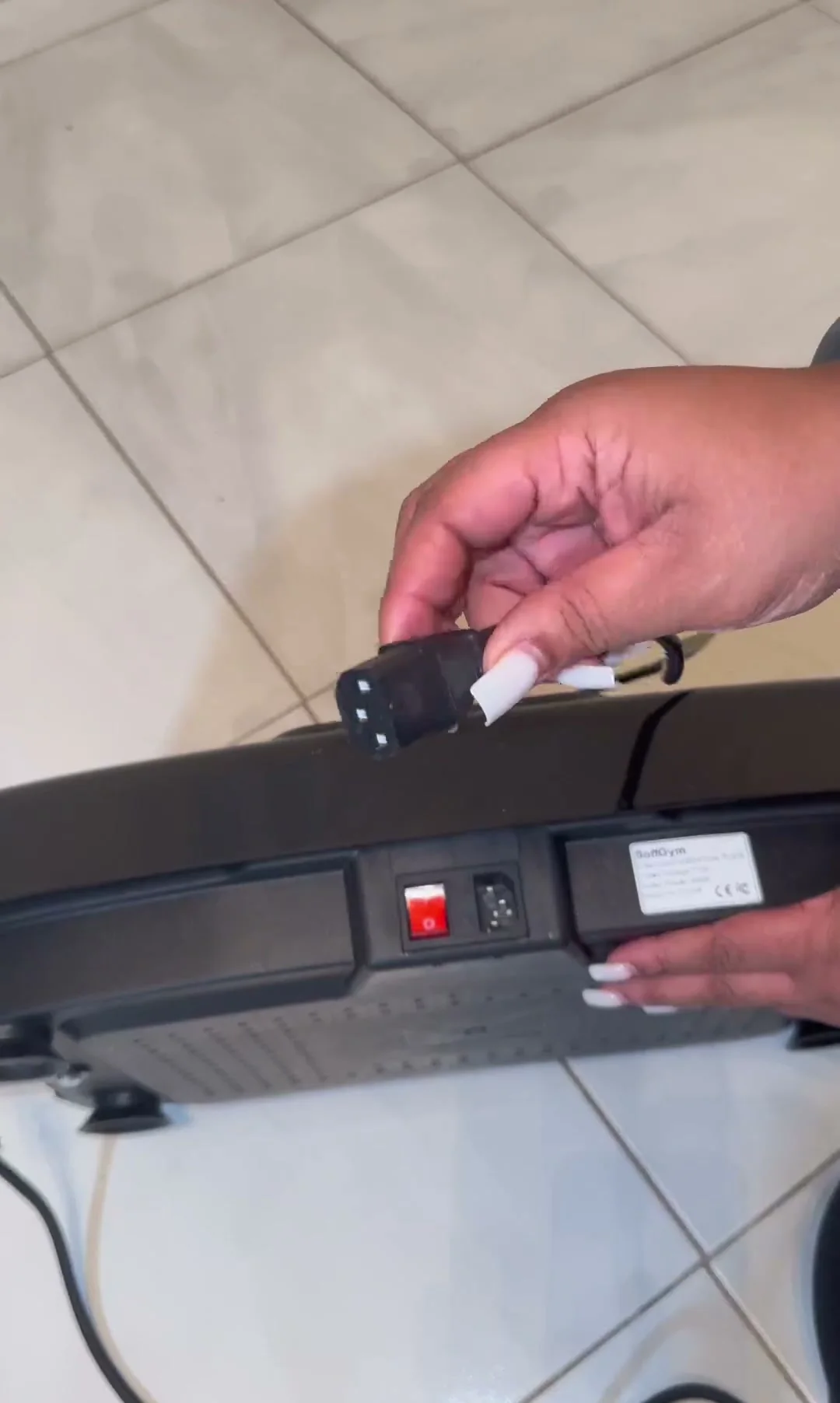
Set the plate on a hard, level floor with clear room on every side, so a missed step lands on the floor and not on a coffee table. The suction-cup feet grip tile, wood and laminate, and thick carpet gives them nothing to hold. Plug the cord into the side of the deck, run it along the wall behind you, and keep it out of the path you use to step on and off.
Barefoot or in sneakers, both work on our footpads. Bare feet feel the pattern of the pads more sharply, and sneakers soften it. Whatever you wear, stand with your knees soft, look ahead, and step down with the deck stopped, never while it is running at a high speed. Your full setup, key by key, is on the SoftGym plate manual page.
Using the Twister Arm safely
The Twister Arm works your chest, shoulders and arms with a hydraulic cylinder instead of a spring. Turn the dial on the cylinder to set the level: there are 30 of them, and the listed range runs from 22 to 470 lb. Start at the low end, do ten slow presses, and move up a few levels at a time only when the last press still feels smooth.
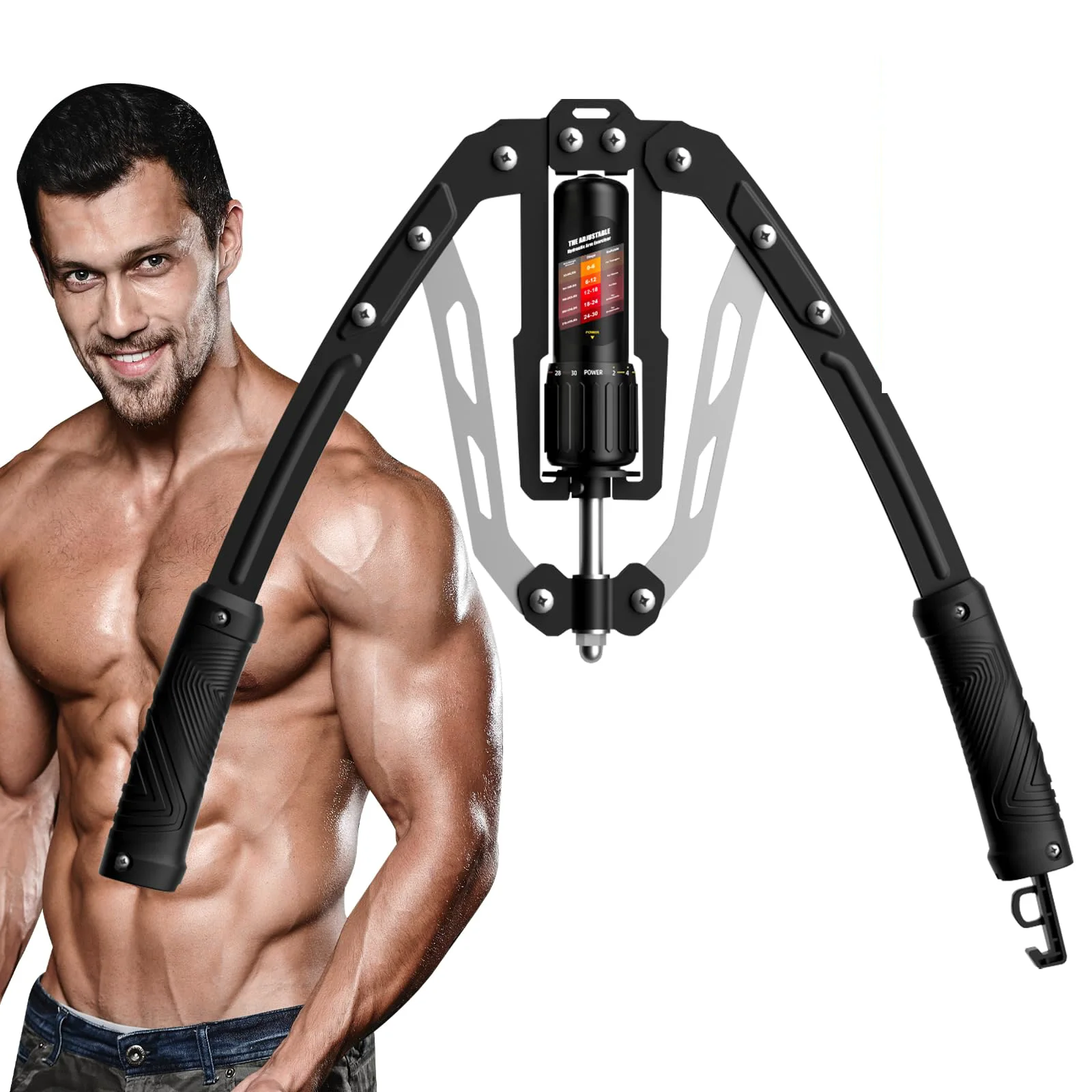
Use it standing on the floor, not on a running plate. Our routines put the Twister Arm presses off the plate, between plate segments, so your arms can push hard while your feet stay planted. Press, curl and twist at an even pace with no jerks at either end of the movement. If a press hurts your shoulder, elbow or wrist, stop and lower the dial. When the session is done, fold the trainer and close it with its storage buckle so it stays shut in a drawer.
Presses and curls are the kind of muscle-strengthening activity the ODPHP guidelines ask for on at least 2 days a week. The SoftGym Twister Arm is one way to do them at home. Together with the plate and a set of bands from the SoftGym range, it fits a strength day into one corner of the room.
When to stop and step off
OhioHealth gives the clearest stop rule: if you feel any pain or tension, especially in the lower back, stop the device. Press the power key on the remote, wait for the deck to settle, and step down onto the floor. Sit for a minute before you decide what comes next.
Stop as well for dizziness, blurred vision or a headache, and do not start again that day. Back pain that returns is a reason to talk to a doctor before the next session, and so is a new diagnosis such as a blood clot, a heart condition or a new implant. Pregnancy belongs on that list too, even if you used the plate before.
Once you have the green light, how to use a vibration plate walks through the speed zones, a first month of sessions and eight moves to start with. The SoftGym vibration plate carries users up to 450 lb, and the guide to lymphatic drainage explains what a plate can and cannot do for swelling.
SoftGym products in this guide
-
SoftGym Vibration Plate
Vibration plate · 120 speeds
SoftGym Vibration Plate
Up to 450 lb, 120 speeds, a remote and bands in the box
- Regular price
- $69.99
-
SoftGym Twister Arm Chest Trainer
Hydraulic · 30 levels
SoftGym Twister Arm Chest Trainer
One dial, 30 hydraulic levels, folds into a bag
- Regular price
- $29.99
-
 GuidesMore SoftGym guidesSetup, safety and the research on platesAll guides
